|
Chair: Kerrie Hicks
Reporter: Allan Driver
Photographer: Kerrie Hicks
Visitors: Sue Duras [briefly], Ken Mayfield [RC Nth Balwyn and Camp Getaway] Following acknowledgement of Rotary International with a toast, including the fact that RI is the organisation that brings us together for service, dedication and collaboration to achieve incredible things to make the world a better place.
Chairperson invited President Rhys to open the meeting. President
President Rhys opened the meeting with an Acknowledgement of Country, including we respectfully acknowledge the Traditional Owners of the lands on which we meet, their cultures, knowledge and their continuing connection to their Country and recognise that sovereignty has never been ceded. Guest Speaker: Andreas Pohl
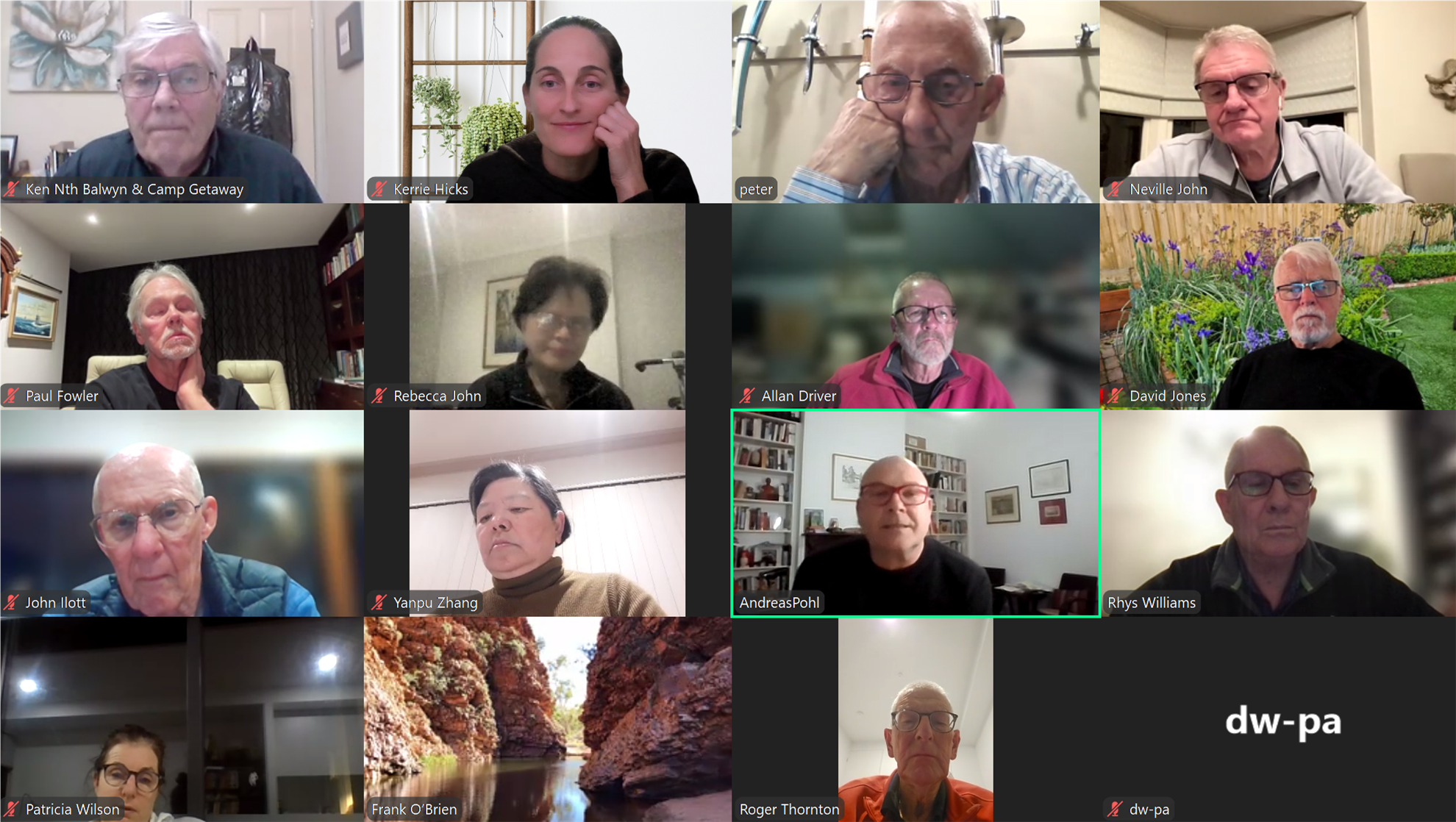
Title: Radicalisation and Redemption – The Two Lives of F. W. Hymmen Andreas was introduced by Kerrie.
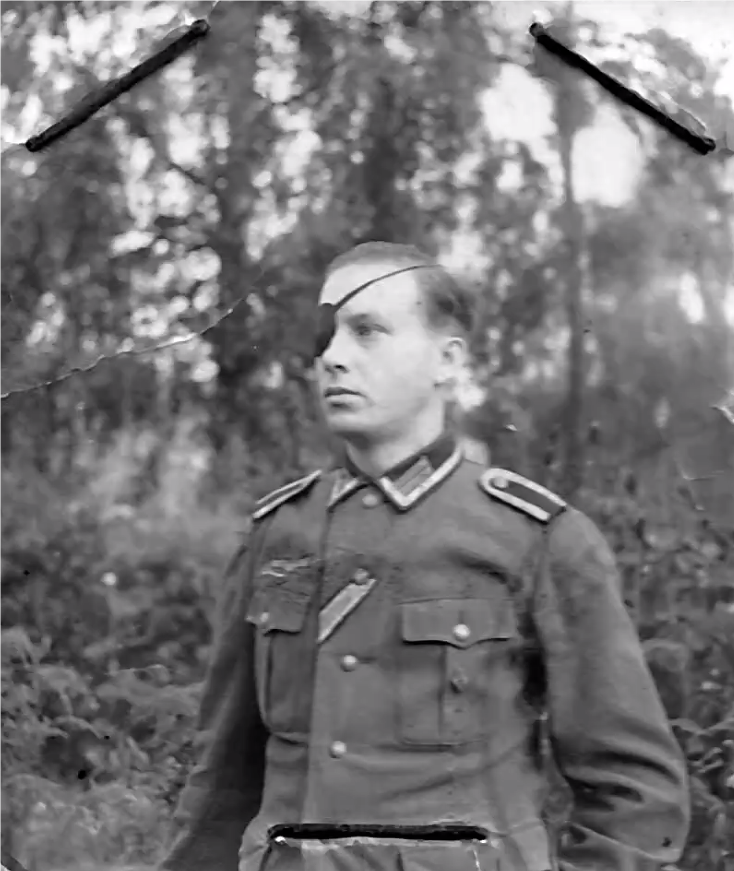
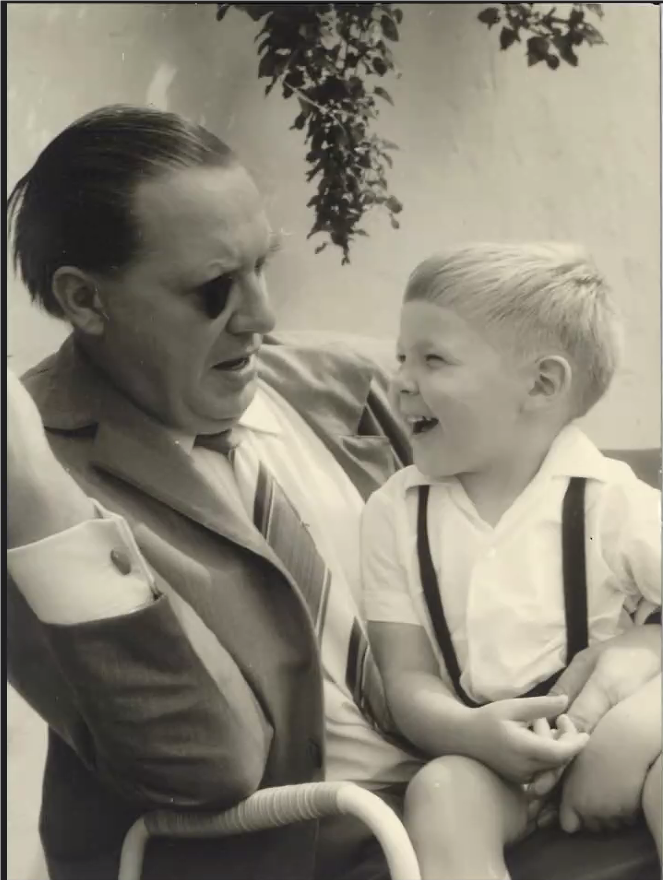
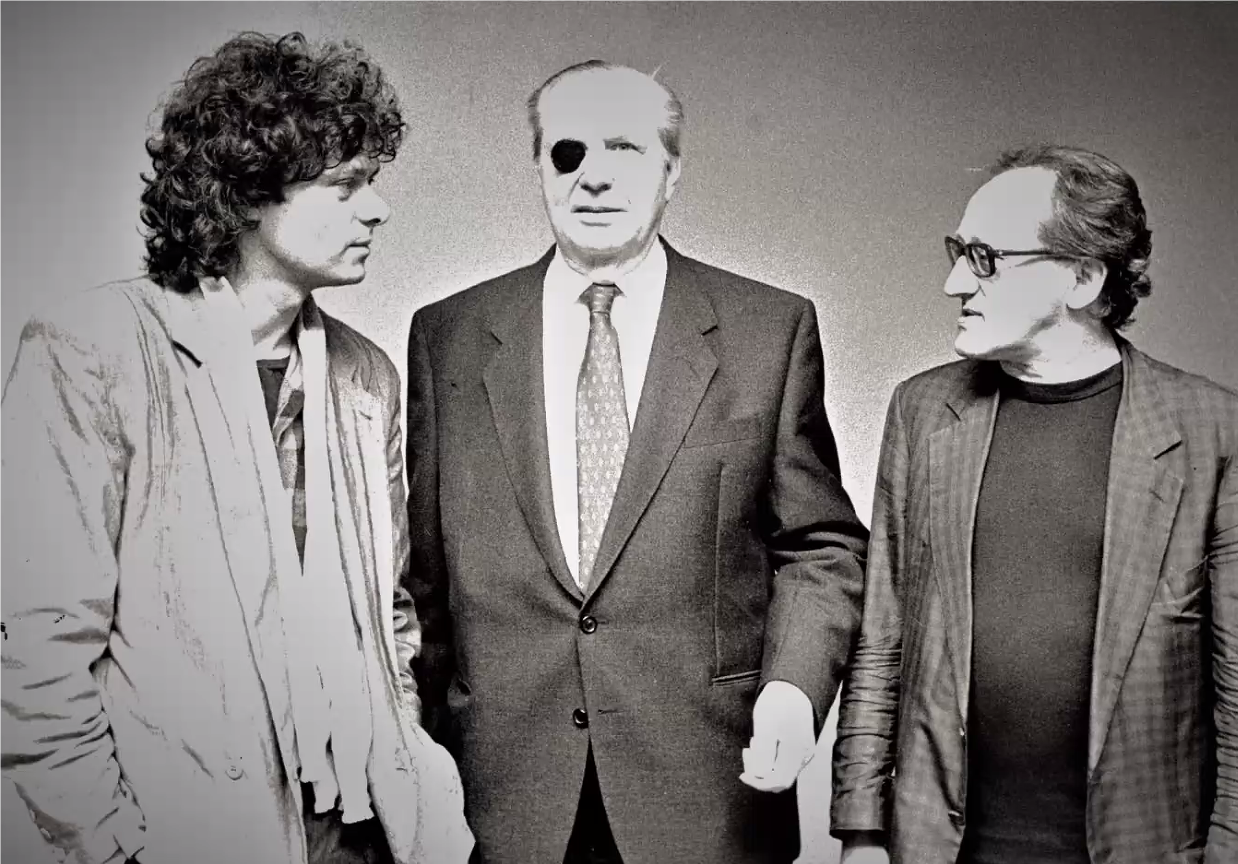
Andreas indicated that he planned to talk about his book “Opi - The Two Lives of My Grandfather” (published by Arcadia, an imprint of Australian Scholarly Publishing) and share some key findings from his research before and after 1945.
He emphasised he was close to his grandfather and found it difficult to investigate his grandfather’s role in the during WWII and was afraid as to what he might find.
Andreas was born in the 1960s when older Nazis were still around and the past could be unmasked. He was enraged due to these people still being allowed to occupy positions of power. In the 1980s, it never occurred to him to investigate our own families.
What changed?
Migration.
Andreas was removed physically and emotionally from Germany to Vietnam. This was a trigger to investigate further as he applied for Australian citizenship leading to unfinished business. Andreas was able to obtain the necessary paperwork and material from the German Archives and family papers while living in Hanoi. At the time the German government encouraged people to look into their past. This resulted in a bigger story than just a family chronicle.
The question arose as to how a family member, his grandfather, could be radicalised in German politics and Nazism. His grandfather joined the army as a common soldier, fought in France and Russia and was discharged as a war invalid. He became a ‘warrior poet’ with th publication of a “Letter to a Mourner” book and poem “Ode to a War”. Andreas explored how his grandfather travelled from the 1920s from a cultured person to a warrior poet. Andreas believed that politics, home life and culture pushed him in that direction with hyperinflation in the early 1920s, social inequality, a Nationalistic home and being excited about the Hitler push. Andreas’ grand-father almost became a politician. At the time the German Parliament was full of anti-democratic parties [similar to today’s right-wing radicals].
His grandfather was influenced by the Youth groups at the time leading to Nationalism and the Hitler movement. Although there was a choice with 3 character traits; namely: the environment at the time wanting to become ambitious, a young person’s movement at the time and people wanted to be part of it and to forge friendships.
However, over time, Andreas’ grandfather became a journalist and rediscovered his empathy through fundamental self-doubt and, at times, could not trust his judgement. Kerrie Hicks, as Chair, thanked Andreas and invited questions. Peter Duras indicated that he could understand Andreas’ grandfather’s journey, particularly in the 1950s when guilt was felt by the German people ending up in sorrow and apology as the whole of Germany had gone through a confusing time.
Andreas responded by indicating that Germany, as a country, faced its past only in the 1980s, a long while after WWII. He queried as to whether the end of WWII as a liberation of the people leading to a better culture and fabric in Germany. Kerrie again thanked Andreas to general acclaim. Announcements - Peter Duras mentioned that he visited DiK on the 24th September and picked up a good supply of water bottles for distribution as required.
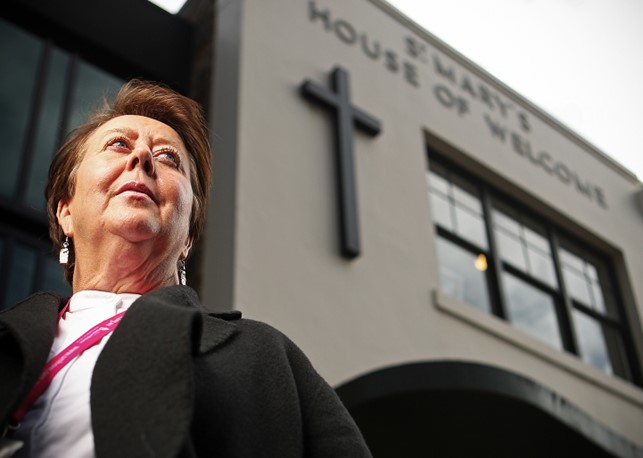
- Frank O’Brien is seeking volunteers to help with cooking, preparing and serving meals to the homeless clients of St. Mary’s House of Welcome (smhow.org.au) on 4 October from 10am to 2pm.
- Kerrie Hicks reminded members about the Paul Harris Foundation Breakfast on the 12th November.
- President Rhys thanked Kerrie Hicks for all the work done for RCM to become a Peace Builder Club. President Rhys mentioned that RCM has become a Peace Builder Club and that RAGFP welcomed RCM to the Peacebuilder (PB) Club Network! RAGFP appreciates RCM’s commitment to promoting peacebuilding within your community, and we're excited to have RCM join our network of dedicated clubs working towards building a global network of clubs dedicated to peacebuilding.
You have officially become a RAGFP PB Club by fulfilling the PB Club application requirements. The PB Club certificate has been placed on the RCM website.
This certificate acknowledges your club's dedication to peacebuilding principles and welcomes you to the RAGFP PB Club Network. - President Rhys reminded members about the next meeting on Tuesday 1st October when our speakers will be Robina Bradley and Karen Quist from St Mary’s House of Welcome at the RACV Club.
The meeting closed with reminding members about “The Magic of Rotary”. |





 Chris Anstey - "Tall Tales: What the whiteboard never taught me"