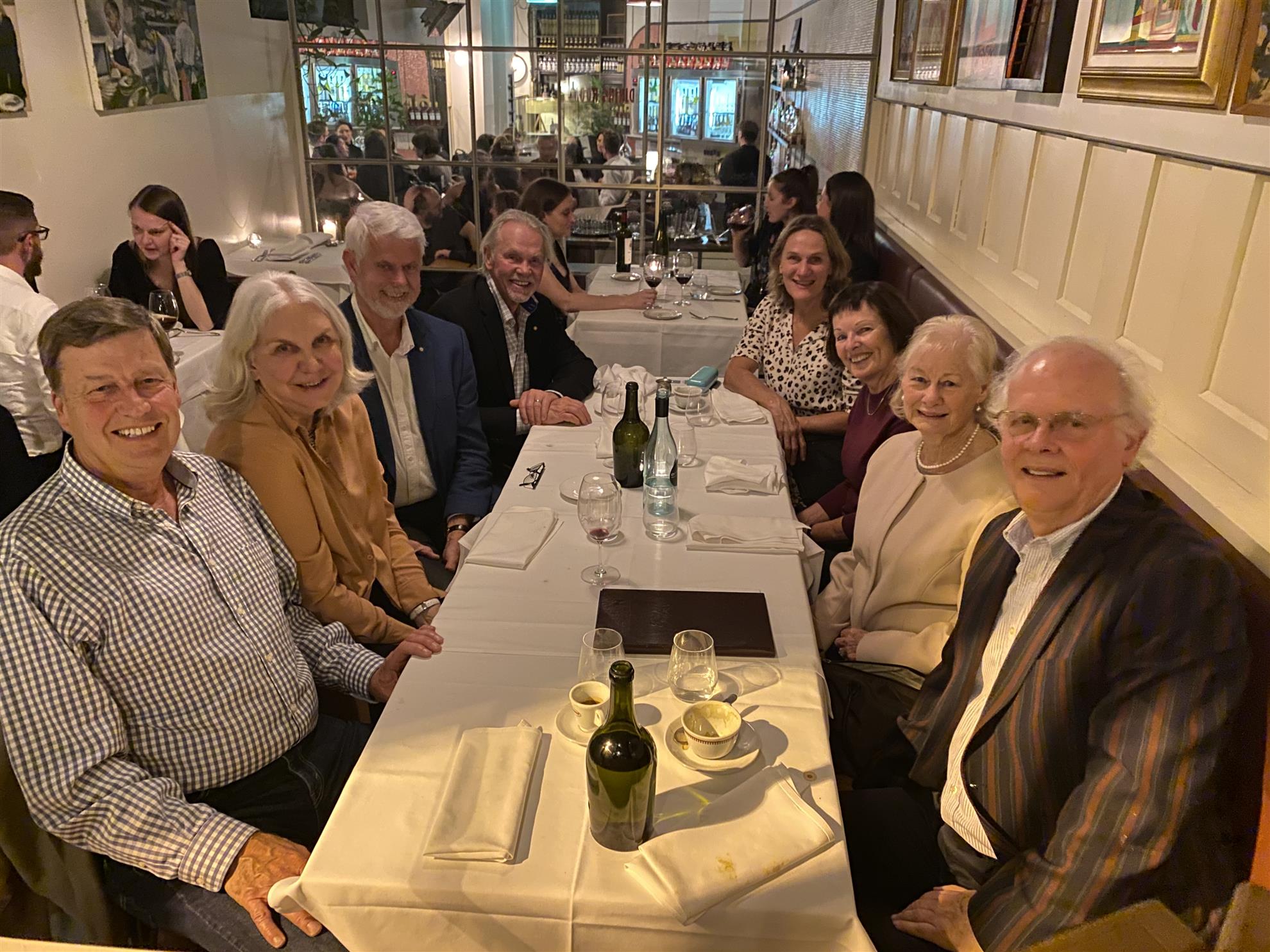
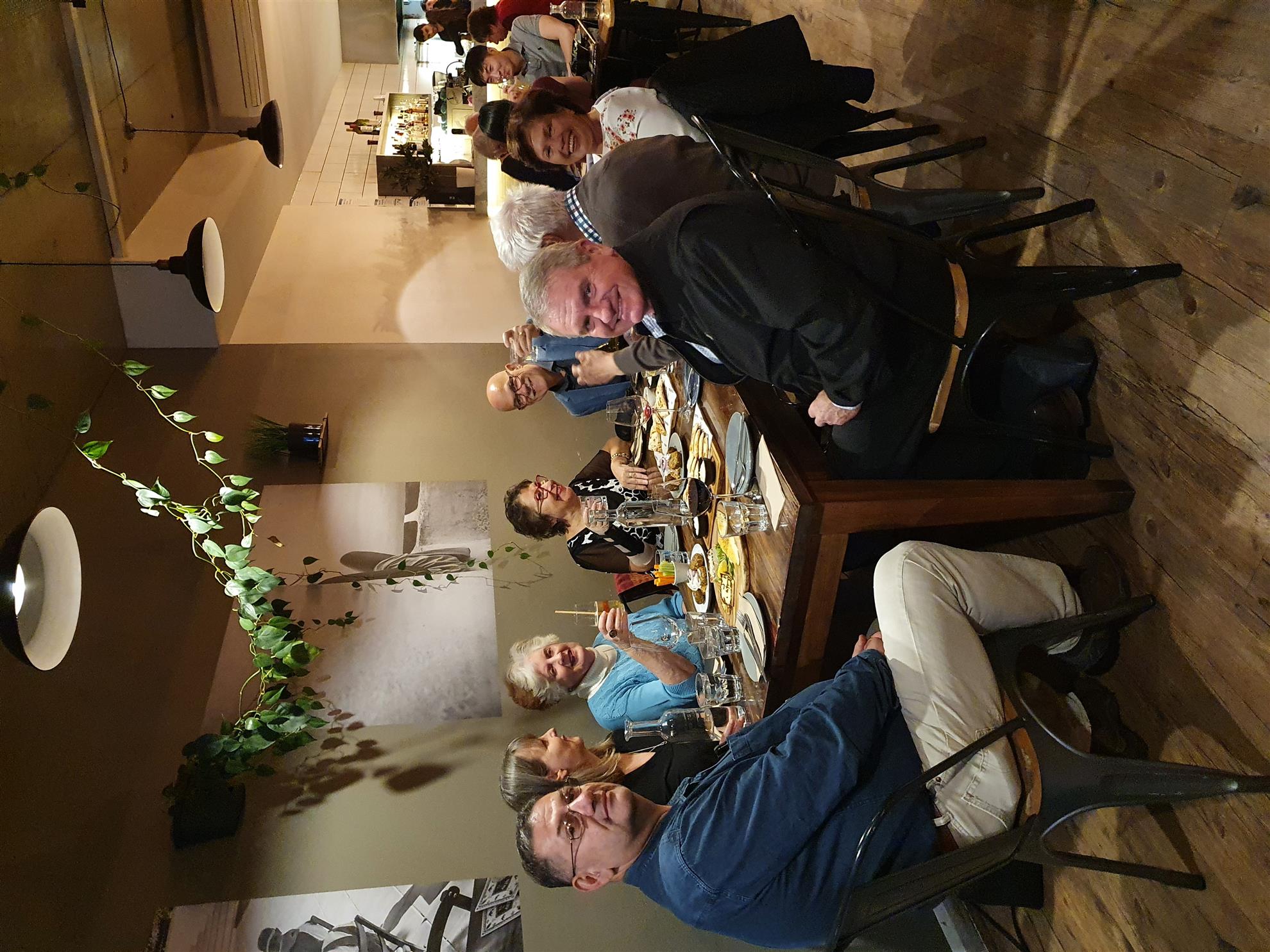
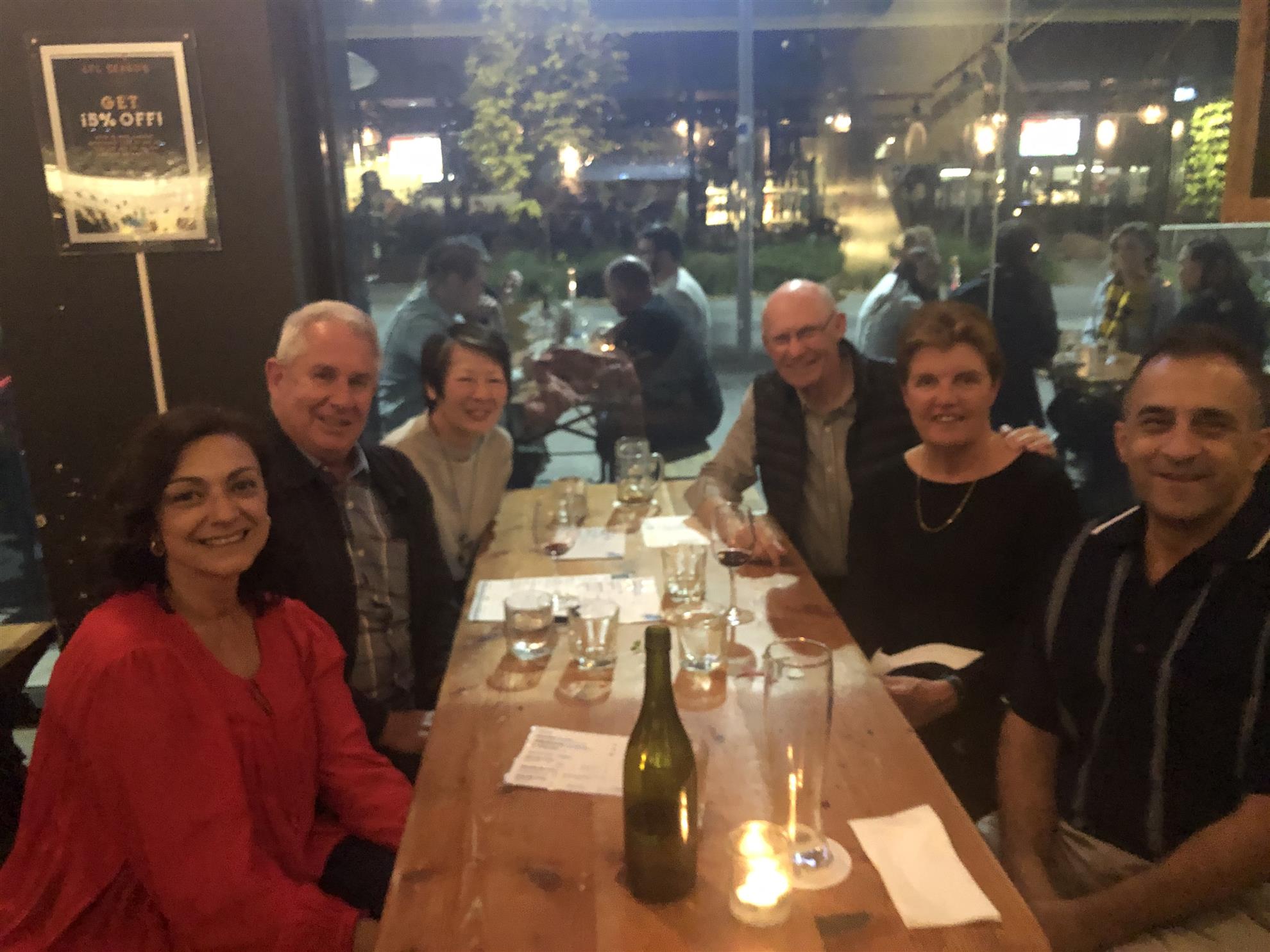
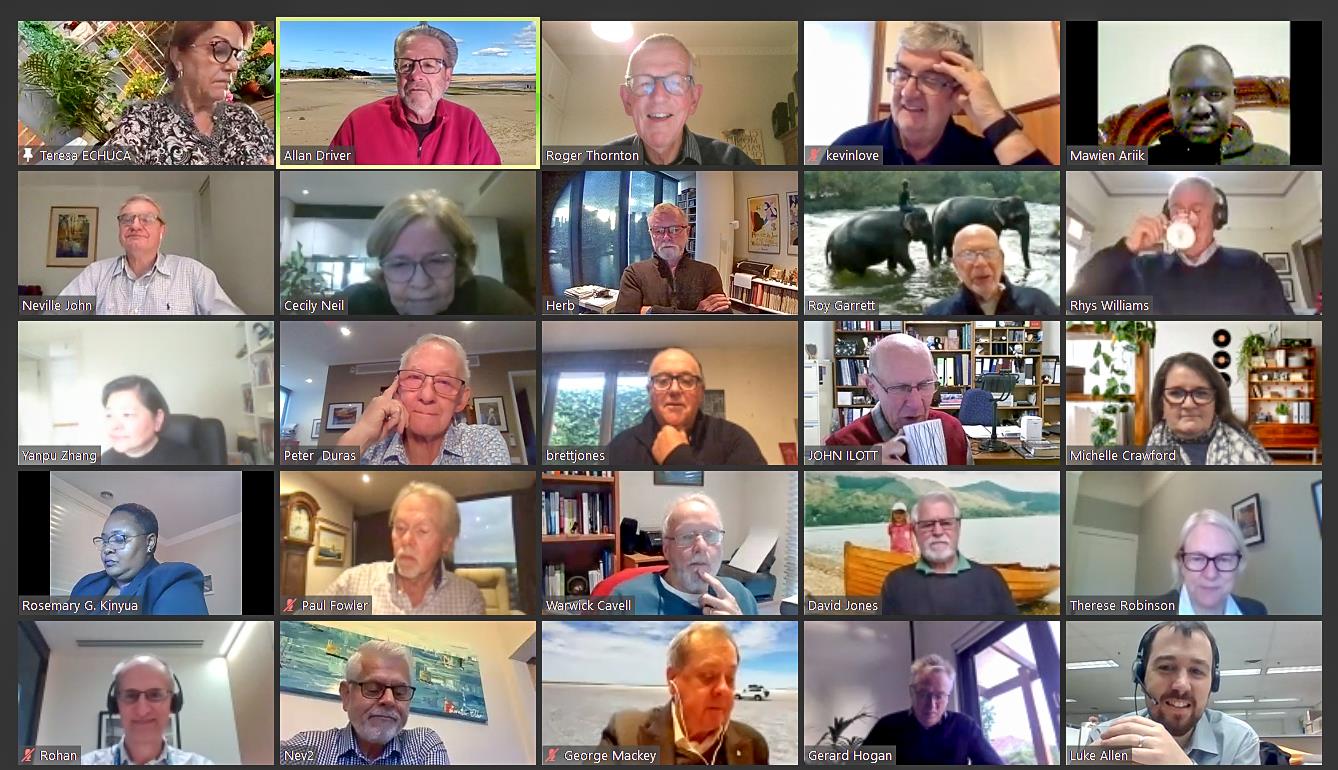
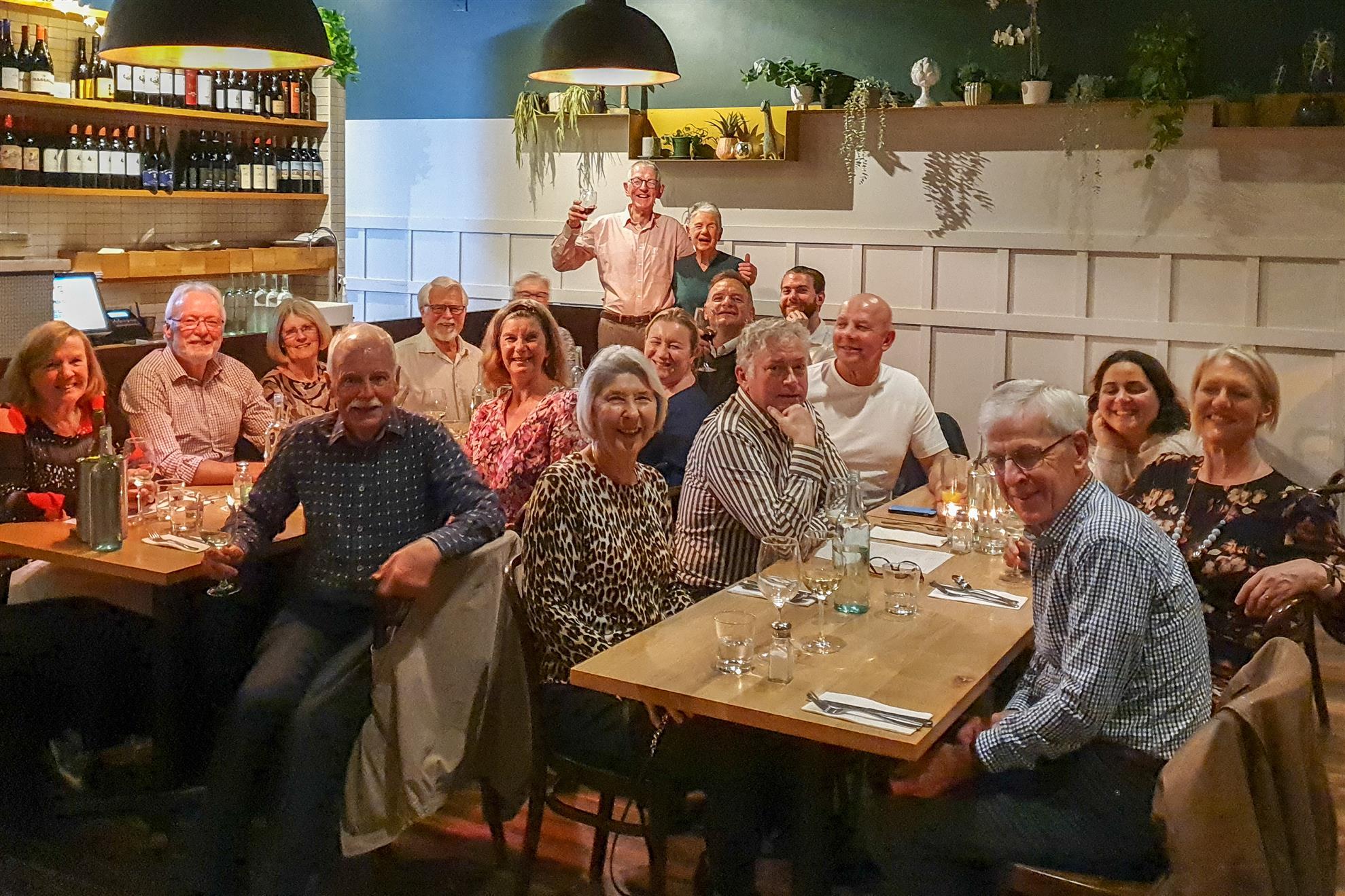
The meeting was opened by Neville John, Chairman for the day and guests for the day welcomed by President Therese Robinson:
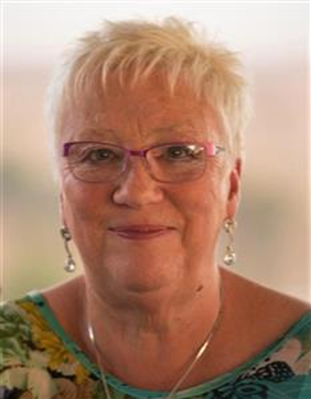
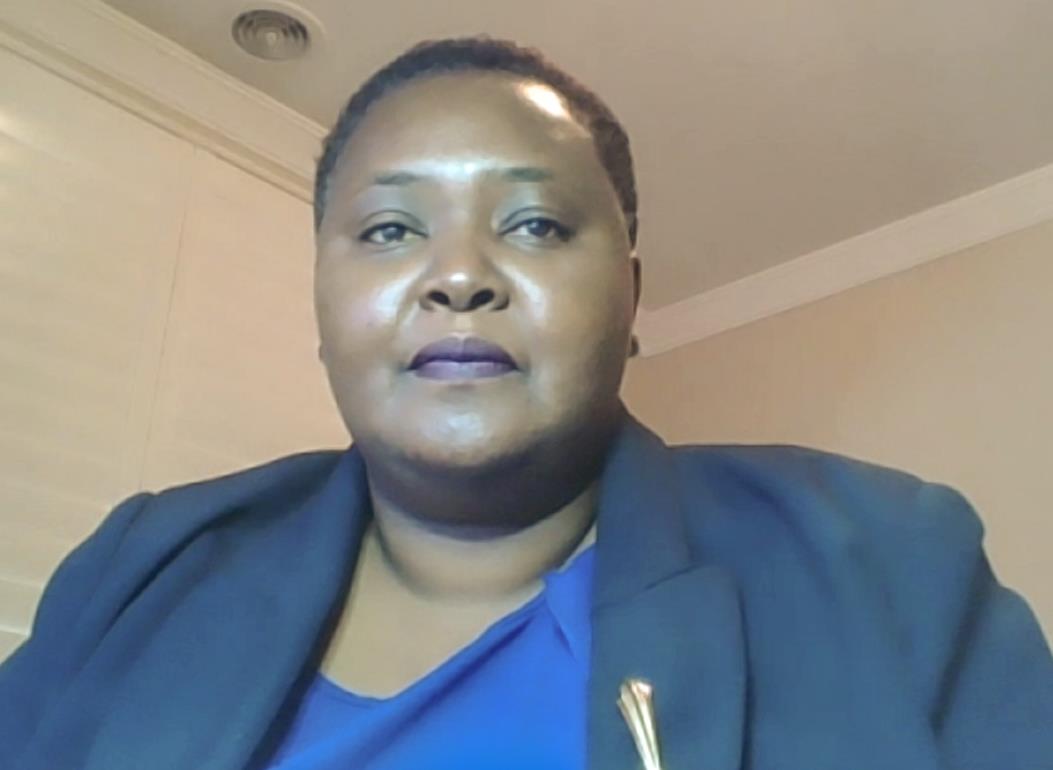
Jenny Foster (President elect & District international chair) & Rosemary Kinyua (VP Elect, Rotary Club of Port Melbourne)
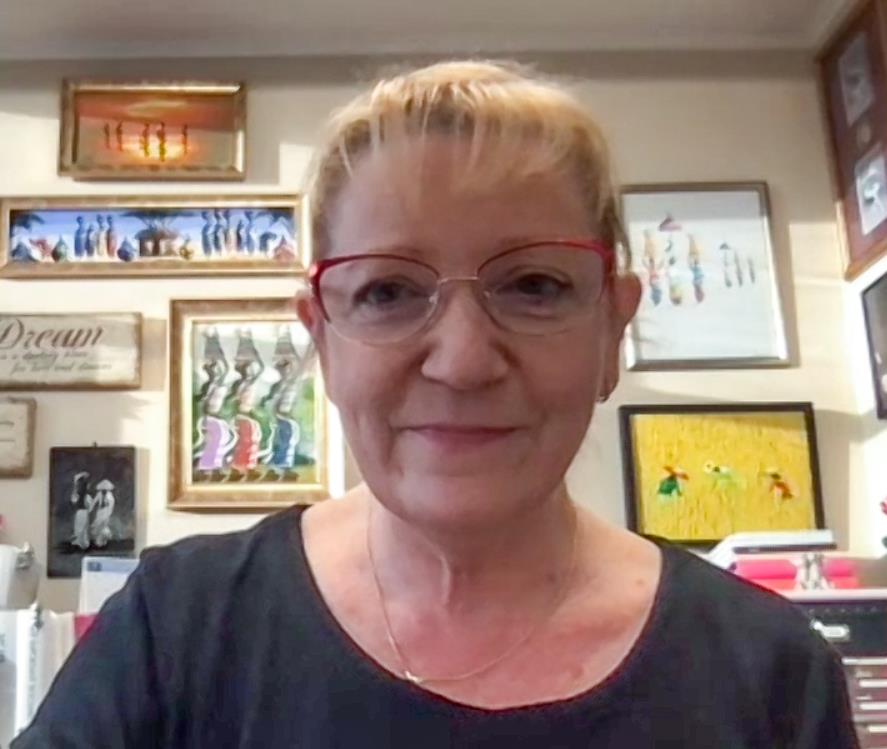
Teresa from Echuca Rotary (Acting President)
Guest Speaker today: Mawien Ariik
Known as Ariik, Mawien was born in 1989 in the village of Lou Ariik, South Sudan. At the age of 8, Ariik learned that his father (Ariik Dut) had died in the South Sudan war along with millions of others, while fighting for the freedom of his people. This sad loss sank deep into Ariik’s mind and he found himself asking what he could do to continue to help the people who were freed through his father’s efforts, and to ensure they were not in vain.
Ariik was raised by his mother Abuk Tong with his other siblings (1 brother and 3 sisters). When war broke out, young males were a target so Ariik spent most of his time with his father during that time. When his father died, Ariik was looked after by his father’s friends, who took him to Uganda resulting in his being separated from his mother. He ended up in a refugee camp there and later transferred to Kenya where he lived for six years.
In 2005 Ariik he made his way to Melbourne, Australia under an Australian Government Humanitarian visa. Ariik is currently a Business Banker with CBA at Highpoint.
In 2019, Ariik became a member of Rotary Central Melbourne and he will share with us how his journey has shaped plans to assist the people of Lou Ariik.
Ariik was interviewed by Brett Jones:
“From Lou Ariik Village, South Sudan to Melbourne, Australia – Ariik’s story so far.”
BJ: Ariik, a little bit about your life right now, you are a banker, whereabouts?
MA: Thank you, Brett; currently working as a business banker looking after small business customers at High Point Commonwealth Bank branch. I kind of lost my voice on Wednesday, as I was doing a fundraiser for cancer, for the Commonwealth Bank. I was, at that event so I kind of lost my voice just cheering on the team. So, excuse my voice.
Just a little bit about me, I’ve been married for last three years now. My wife is Wei and my son is Ariik, Jr.
So, this name has a special sort of significance in the family, named after the village, it is a name that has had, for generations and generations, a special significance in the village.
BJ: So, Ariik, you're also setting up a project,
MA: That’s exactly right Brett. This is an NGO that we founded in 2002 , with the main goal of looking to set up a medical clinic in the village, but when I visited the village, I saw a lot of other needs that were more immediate. It’s a short term project that we're looking at in terms of getting this underway. We started with a long term vision and have we want to have some things more sustainable in the village in the future, but as for now we're looking to train about 800 girls, and also provide them with some sanitary kits so they are comfortable to go to school, without any worries at all.
You would have all heard about the war of South Sudan, the longest war of Africa that ended in 2011 and that led to the succession of South Sudan, officially recognized as a country.
So basically, I grew up I would probably say six, seven years of my life was in the village. But all the rest of the times, I was always on the move with my father, as my father was one of the commanders and soldiers in the army. So our moves were always in the bush, moving along with the soldiers because young men were the target of the war because they were the ones that were going to grow up, and continue to so, we were the target of the war.
So throughout that journey, my father lost his life in the war and as a result of that, I was taken to Uganda by some of his friends, where I spent, a year there Uganda. And later on, I made my way to Kenya, via Uganda where we very nearly faced tragedy in 1999, through the action of the then-warlord, Joseph Kony. We had just left the border village we were staying at, when Kony invaded and liked many villagers.
I spent about six years of my life in Kakuma refugee camps, one of the hardest areas in northern Kenya, with next to no rain. The camp was full of young males of varying ages who were left to fend for each other, support each other and, in some cases, act as parents and support the younger boys. This is where I started to learn English, little by little.
And it was a horrible place I would probably say. I was grateful for being rescued from the war, but local people attacked us because we received food and aid from the UNHCR. Some of my friends lost their lives.
BJ: And at some stage you were picked up by an Australian organization, tell us about that.
MA: But after the September 11 attacks, Australia opened its doors and started granting refugees humanitarian visas for refugees in Kakuma. So, I needed help filling in forms and felt lucky that somebody helped me completing the documentation completed for me with as much information as possible – I didn’t exactly know my date of birth in 1989, nor my parents’ date of birth.
This, however, turn out to be problematic: I failed my interview and was rejected, because I didn’t know what was recorded in my forms, I was never informed. I had to be interviewed again. Eventually, one of community members here in Melbourne went to immigration and, pointed out that I was an orphan, in need of assistance; I couldn’t be kept in the camp without personal care.
At the age of about 14 or 15, I eventually succeeded at the second interview in Nairobi, was accepted by immigration, and subsequently arrived in Melbourne in 2005.
BJ: When you arrived at Melbourne where did you live.
MA: The Housing Commission flats in Fitzroy, those tall flats on Brunswick Road. In spite of certain unpleasant events that would occur from time to time, it didn't bother me so much all I needed was shelter and psychological safety. This was home for quite a number of years actually while I was competing my high school years at a Christian college in Nunawading, I was privileges to receive a scholarship. I used to travel quite a distance from Fitzroy by train, about 30 stations to get to school.
BJ: And after you finished your school you went up to university, what did you do there, where did you go,
MA: It was a tough journey Brett, I think after high school I said, “Okay, What I'm going to do next?” I didn’t know what to do next . A lady at the bank asked me, “So, what do you want to do now you are here in Australia?” I said I want to be a pilot or a banker.
When I finished high school, my first option was to be a pilot. But that dream didn't happen because at that time, the government didn't give a scholarship or any hex forms, just for pilot training, so I ended up enrolling at university to do something different: I did management and marketing at university. And then, when, when I was about to finish, I got a job in the bank, and I was working with same lady that asked me the same question at that time, and I'm working with that lady today.
And when I got the job in the bank, I went back again and did my post grad studies in banking and finance. And now I'm still, pushing my career to that direction in banking and mature in the bank.
BJ: I just can't tell you how much I admire your progress, Ariik, but in 2016 You went back to South Sudan, and tell us what you saw and what you thought.
MA: I was born in Africa and I grew up there half of my life but I'm more Australian. So, I went back to my village, spent about three months, and observed some things were not right, but I didn't know what to do.
The village is very remote and it's waterlogged – from May until October; so, there'll be no access due to heavy flood waters. And that village has no telecommunications network at all there's no communication, and without roads, no access during the wet season. I still have my mother and sibling at the village and no access to prescribed medication in times of sickness.
I was shocked to learn that my mother would inject herself with substances in the hope of a cure. For the villagers, it's whatever they have that they use, they don't care whether it's the right stuff for the sickness or not.
I thought to myself: “even my own mother who has a son in Australia is going through this, what about the rest, what are they going through at that moment?” The following year, my grandfather got sick again and he had to be hand carried by 10 villagers through the flood waters for 10 hours to get to the nearest city. I said to myself, I needed to act.
The village is very much under-resourced in of all kinds of things, there are no resources of any kind, there, there is a small clinic that was set up there in the village, that is rat infested, with termites on the roof etc. the pitch of the roof is all bad. It's not a really good place to be at the patient; actually, it made you more sick.
I saw an opportunity for me to do something, while having the luxury of living in a country like. And the other thing that I saw there were girls missing days of school and there were limited enrollment in schools. The reason being the girls’ menstrual hygiene. A lot of these girls have no means of actually supporting themselves in terms of menstrual health.
So, a lot of them would normally go to the nearest village from the school and come back, which is a lot of bother. Some girl just decided to stay at home and in the villages, is it's not something to talk about in the village. Going to school in my country is such a privilege and an opportunity; so, for girls of menstrual age, they simply stay home until their period is over. They miss out on a lot of schooling.
BJ: Neville John, and George Mackey and Cecily Neil. Are currently helping you with a project. Tell us about the first part, and quickly the first part of that project that you've executed so far.
MA: Yeah, there's been a few Rotarians and I must say thank you all for your involvement since I became a member of rotary, especially Neville John, George Mackey, and Cecily Neil. Thank you all for your contributions and help on this project: a mental health project, focused on education and delivering sanitary kits to girls in 2020
I returned to the village with kits to distribute, and when I met the villagers, the demand was so great. I returned to my lodgings and picked up the rest of the kits and we ran a small educational session in the village.
For the time being, this project is a start, with our aim is for long-term assistance to help establish a healthy community.
BJ : So, a tremendous story, a story of a refugee young boy, straight A master's graduate working in Australia is a good constructive project.
Jenny Foster: Thank you, Ariik. I think Ariik your presentation highlights, to me, exactly the reason we set up, passport Melbourne, because we have got so many people that are living here in Melbourne, such a multicultural city that are looking to help their homeland. The story is being repeated time and time again, so we can't help the world, but we are here to help our own Rotarians and our network across the globe is such strength to do that work.
We're about to start two new projects within our club, one in Zimbabwe and one in Uganda, both medical projects with the rotary clubs in those countries. In Zimbabwe we will work with Robert Fisher and his friend who's the Foundation director at the Rich Club in Harare. In Uganda we will work with Dr John Phillips, who is the chair of the International fellowship of healthcare professionals in London. Thank you Ariik. I'm very excited about what we can do in the future to help your people in the US.
Announcements - Birthdays and Anniversaries
Member Birthdays
Nil
Partner Birthdays
Nil
Wedding Anniversaries
Rhys and Liz Williams 39 years 8th May 1987
Date Joined Rotary
Russell Rolls 4th May 1996 25 years [RCM only]
Des Benjamin 10th May 2017 4 years [RCM only]
Gerard Hogan 5th May 2003 18 years