|
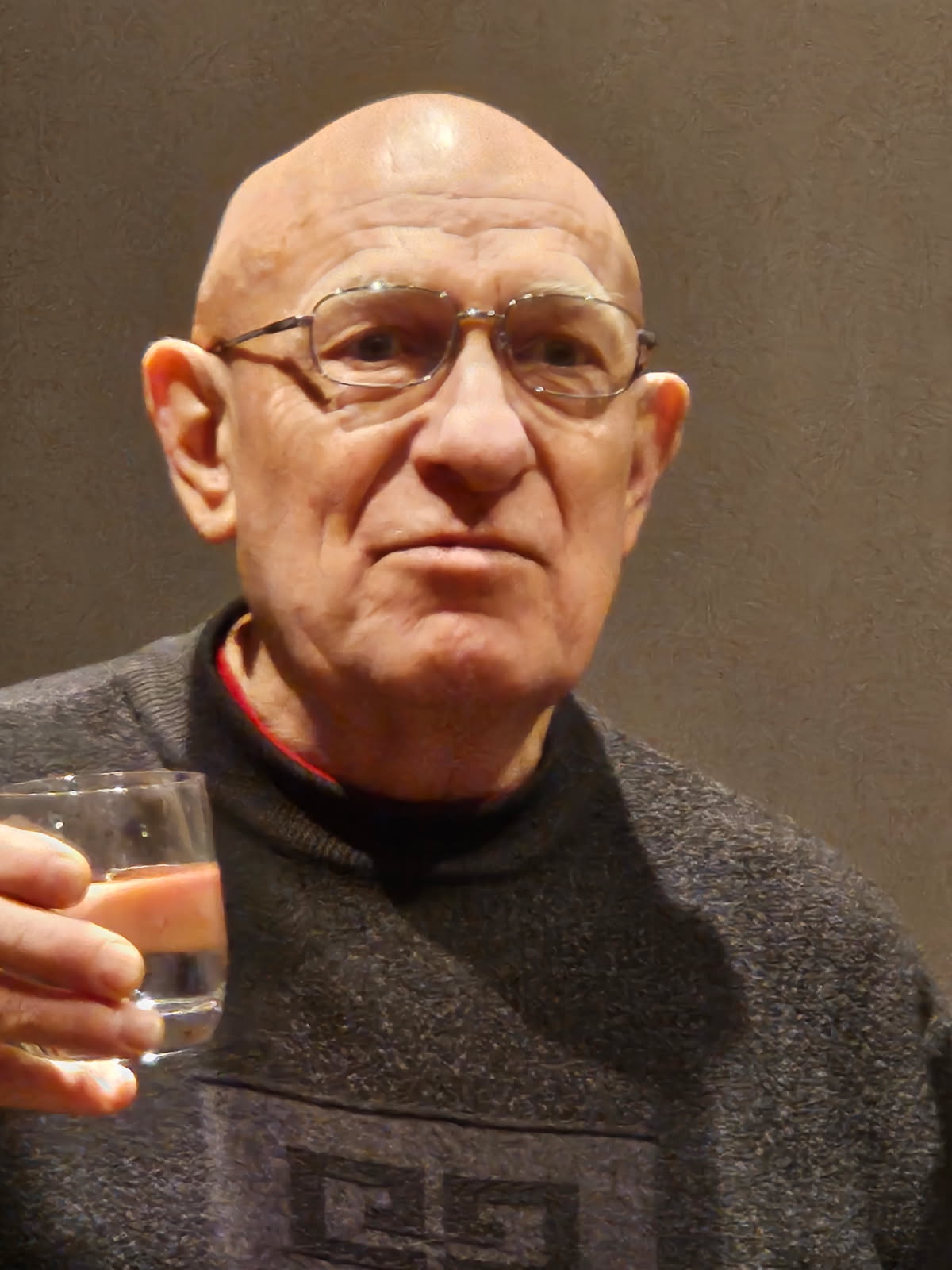
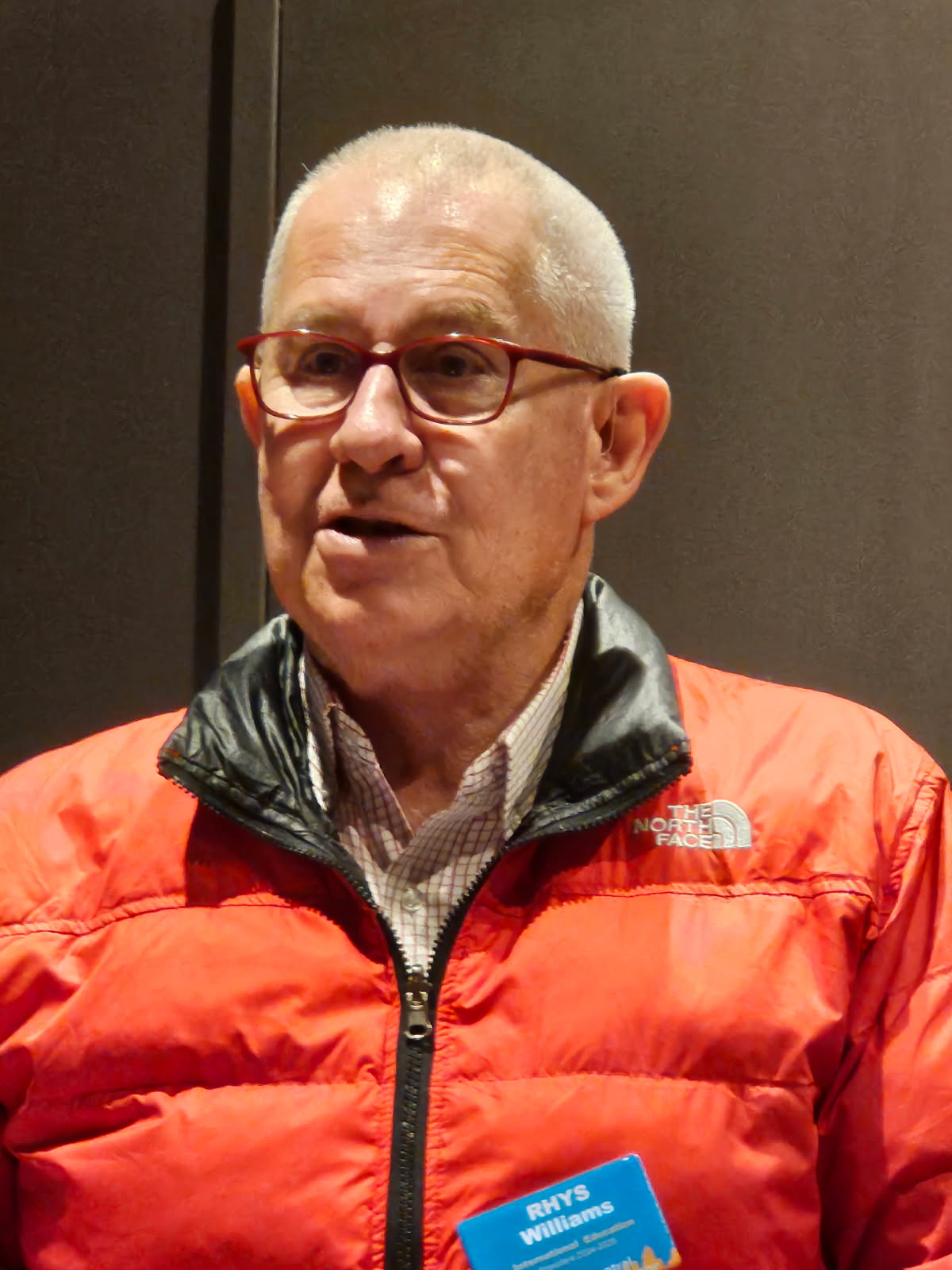
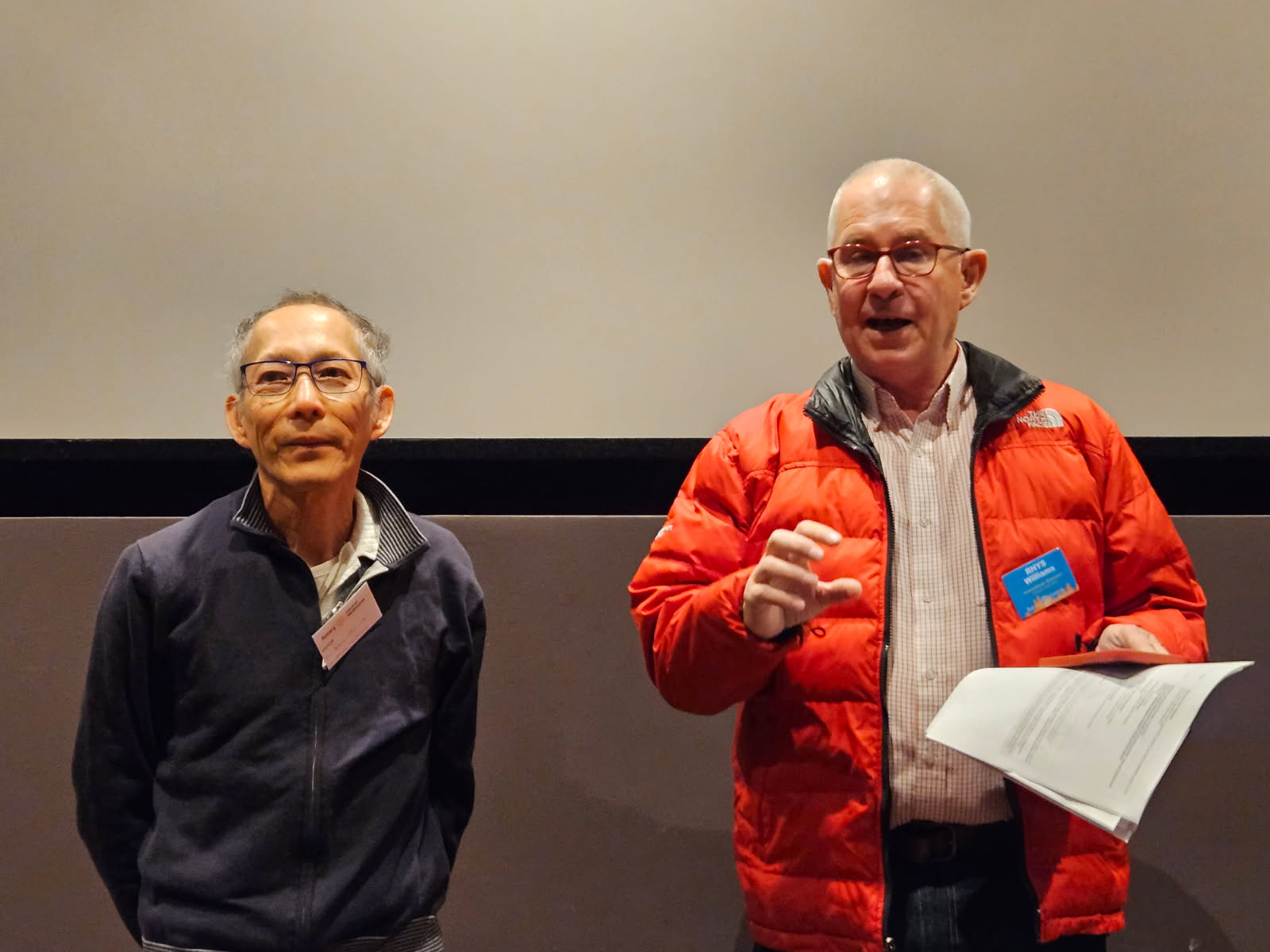
RCM B’fast Meeting 20 May 2025 Following acknowledgement of Rotary International with a toast, Chairperson Neil ushered President Rhys to the podium to open the meeting with the Welcome to Country greeting. Rhys promptly welcomed members in attendance and guest, fellow director of the Vietnam Foundation and colleague, Ken Ho-Le. To set the scene for President Elect Rohan Williams, Rhys provided a snapshot of the current RCM profile in terms of member participation and the warning signs and concerns the Club’s Board has its sights on addressing. Framing the Club’s past achievements and consistent history of humanitarian activities, Rhys outlined the following points: - 30% of current members are active
- a significant core of active members are in the 65 – 80+ age range
- rest of the members are either “semi active” or disengaged
- the Club needs to understand how to retain younger members and improve recruitment rate
This means the Club needs to consider the following: - what type of projects we commit to
- increase opportunities for service exchange(s)
- lower the level of admin (this has been received as feedback)
- rethinking and reevaluating the level and type of “Rotary formality” we follow
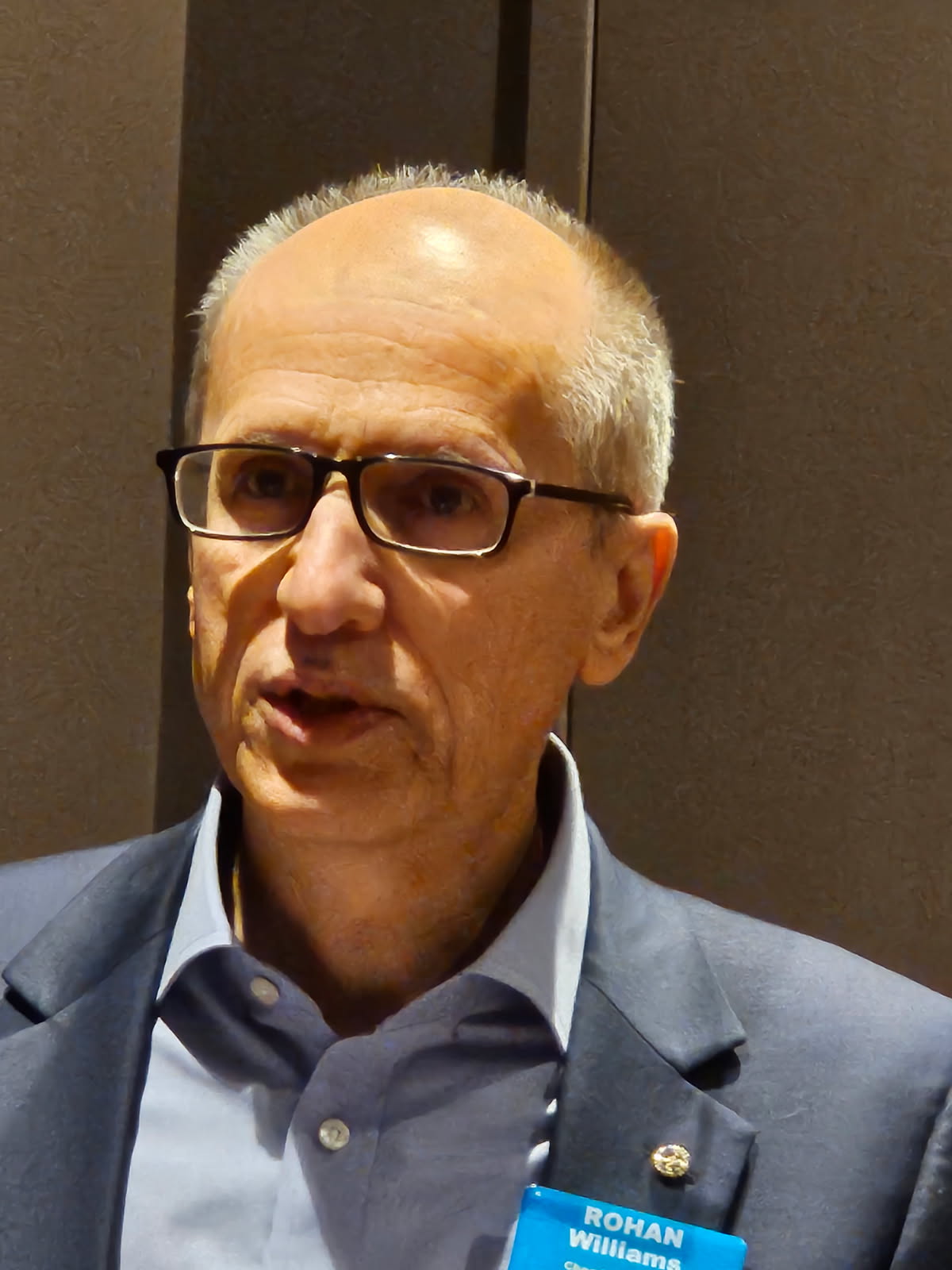
Rhys welcomed Rohan to provide an overview and summary of the recent RCM Planning Day, held on 10th May 2025 and our club’s priorities for 2025/6. The aim of the planning day was to generate a short list of activities to help sustain the Club through a period of evolution which is raising risks associated with the number or members (by the way, a trend observed by Clubs world-wide) and participation rates of members. There is much to celebrate on the progress from the 2024/5 priority actions and invaluable feedback being gleaned via the Younger and Newer Members Feedback forums. The objective is to support the Club and enable it to thrive, not just survive. Three priorities were identified at the planning day: Priority A: Continue to evolve the way we operate and engage with younger members. This includes opportunities for professional networking and development (this was once a defining attraction to prospective members of the Club). A need to stay connected with non-active members was also identified and a group from the Membership Team will proactively contact these members and seek to understand the reasons for low/no engagement. Priority B: Appropriate project evaluation. Are we working on the right projects in the right way? Are we focusing on the right impact? How can we achieve greater impact with our projects?. To this end, a small team led by Paul Fowler will develop a project evaluation template (utilising the model developed by the Int’l Committee). The template will help determine which projects will be supported. Priority C: Enhancing our partner relationships. How can Rotary and its partners support and help each other. Signature and high impact projects like the water and sanitation projects in SE Asia or the Vic Police Leaders’ Mentoring Program provide the Club with opportunities to expand our impact, and also place us in good stead to seek additional support from our partners. Kevin Love and a small team will be leading the investigation to identify relevant activities and actions. In concluding, Rhys pointed out one practical step adopted in the operational/admin area which is the help improve Board Operation by moving from monthly to bi-monthly meetings. The Board still achieves its stated objectives of managing the clubs affairs and maintaining prudent financial and operational governance, yet frees itself of the mandated administrative tasks and activities allied to two additional, yet redundant meetings. This is one example of the Club’s Board taking action to simplify where there is an opportunity, yet maintain control and governance. Questions from members: - Neil Salvano asked: “How will networking be implemented?”
A: As a start, veteran club members with leadership experience will become members of a “leaders” circle to help generate discussions and potential activities. Using the Vic Police Leaders’ Mentoring Program model, younger members will pair up with members from the leaders circle to discuss and generate opportunities for leadership activities and actions. - Peter Duras commented on the critical need to reinvigorate committee mechanisms and assign responsibilities within committees to provide opportunities to newer members to participate in actions and activities supporting projects, whether during planning, mobilisation or execution (ie. in-flight).
- Campbell Chambers asked: “Thinking about weeks 2 & 4 in the monthly cycle, what types of social activities are in play?”
A: Rohan named a list of potential activities, including week-day lunches, working bees, vocational service activities, industry visits. Rhys piped in stating the focus of weeks 2 & 4 will be “fellowship, fellowship, fellowship”. Paul also highlighted that we need to cater for two interests/needs: fellowship and projects (cause). Member Announcements: - Campbell reminded the meeting that our Club Changeover celebration dinner will be on 28th June and in keeping with tradition and fun, a raffle will be held for which donated items will be greatly appreciated. This year celebrations will be once again held at Studley Grounds, Kew; please refer to invitation details in a club email recently issued.
- Elias reminded members that an incoming NGSE violinist Isabella Horn is expected in Melbourne around the Aug-Sep-Oct timeframe. Specific dates will be locked in once her musical program has been confirmed. The program is the hands of David Kram (Rotary Melbourne) and Suzzane Chaundy (Melbourne Opera). Once the applicable dates are obtained, our Club will need to host her for the duration of the program. Elias implored all members to start thinking about possibilities to host Isabella around the abovementioned time frame if possible.
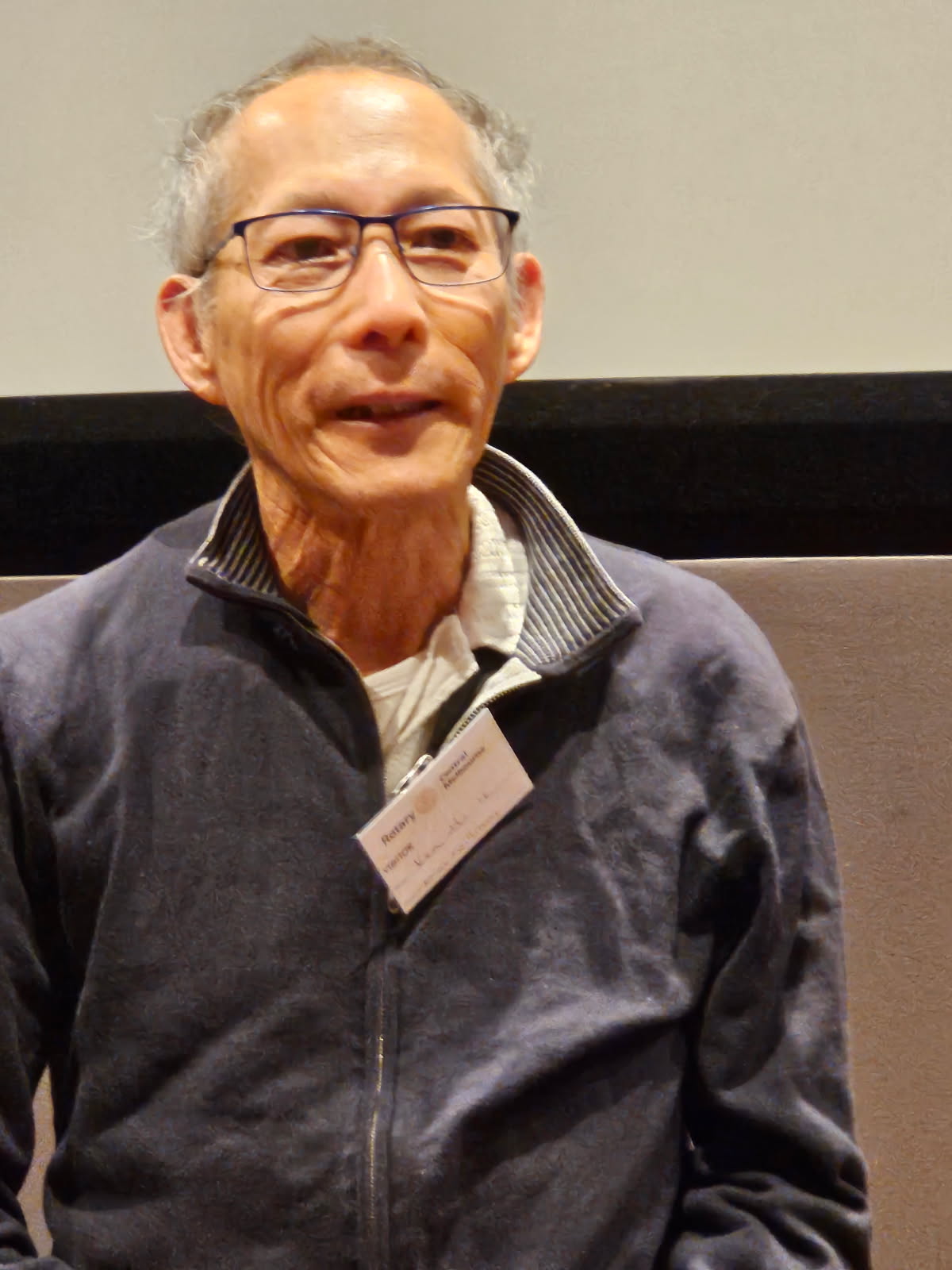
President’s Announcements: Rhys commented on progress on the Regionalisation Pilot which is a sponsored initiative designed to help arrest the trend of declining Rotary membership. The formative vehicles designed to create more locally inclusive engagement (Community Groups) are still at “dating stage” amongst clubs, ie. no substantive progress has been made. As requested by Rhys our guest Ken Ho-Le addressed the meeting to introduce himself. Ken arrived in Australia 52 years ago, following the fall of Saigon at the end of the Vietnam War, having found himself homeless. He studied engineering at Monash University and worked as a Computer Science Engineer in the R&D group at CSIRO. He proudly acknowledged having lived a fulfilling and rewarding life in Australia and is interested in joining our Club. Next meeting will be an online meeting on May 27, 2025. The Zoom room will be open at 7.30am, with the meeting commencing at 7:40am – noting all meetings are now aligned as 7.30am arrival for a 7.40am start. Our speaker will be Jay Panchal, Youth Project Coordinator for the City of Melbourne who will be discussing the City of Melbourne Youth Projects, Policies and Needs. Meeting concluded at 8:40 am |





 '