|
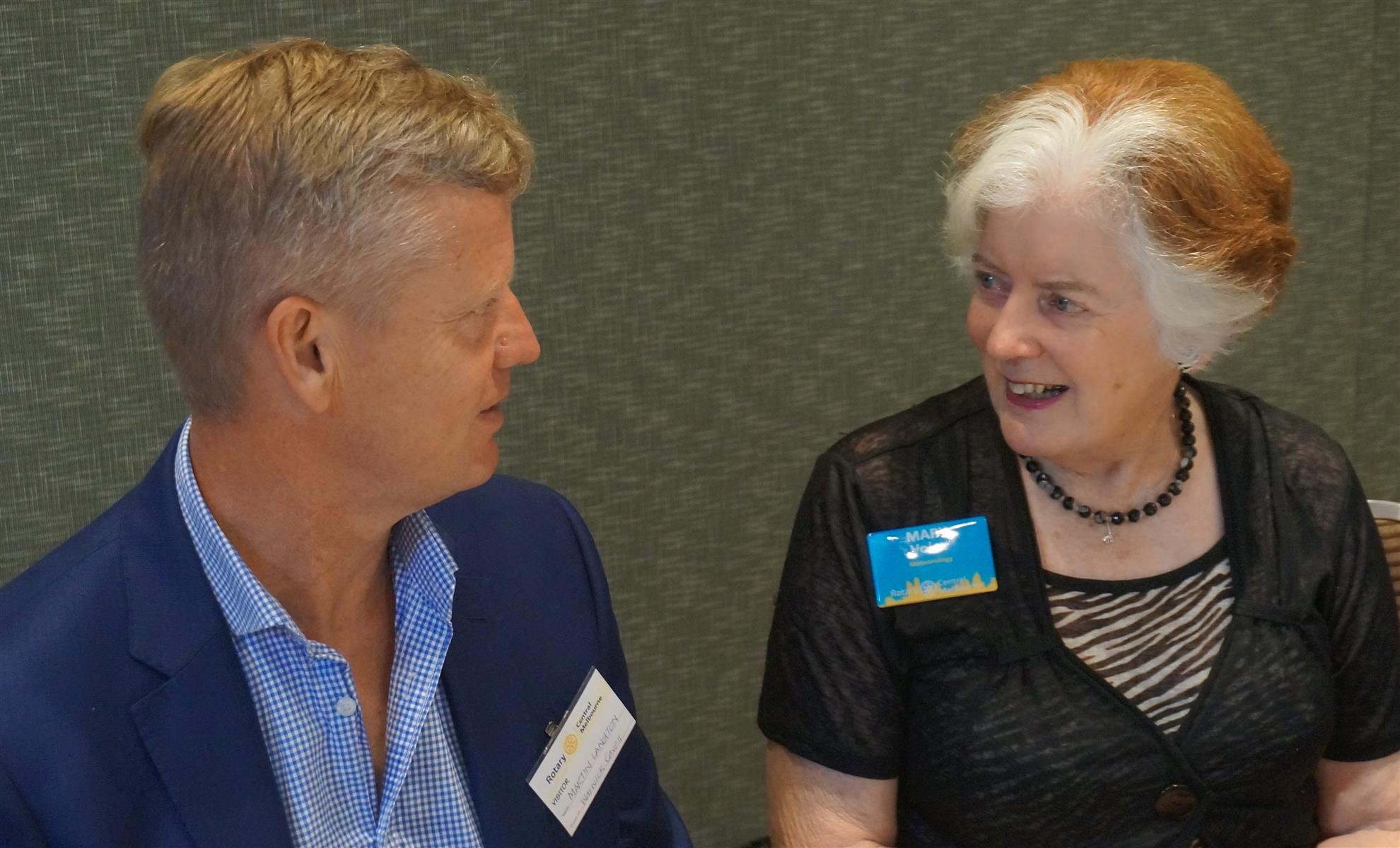
Visitors Connie Honaker Martin Langton Russell Shields
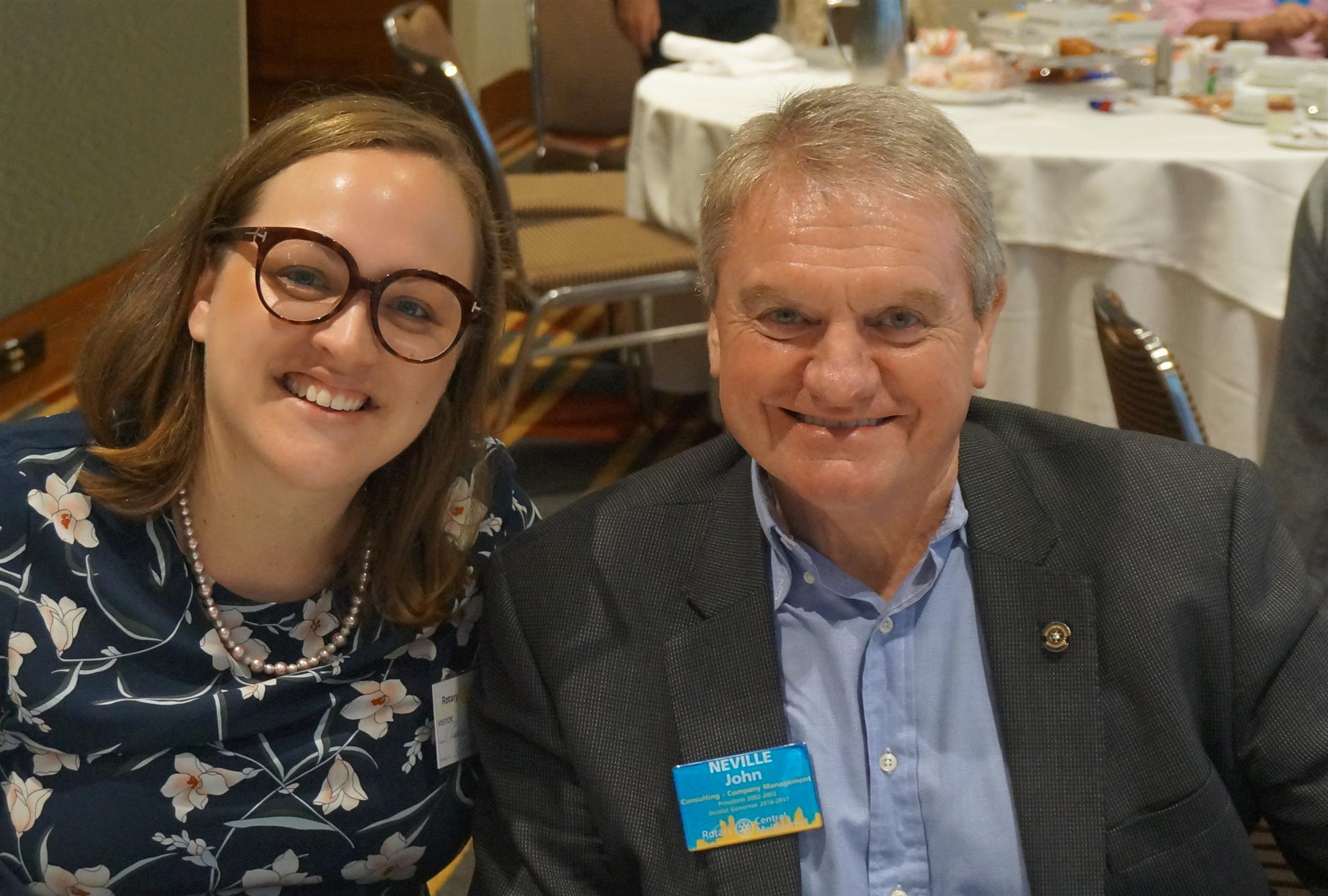
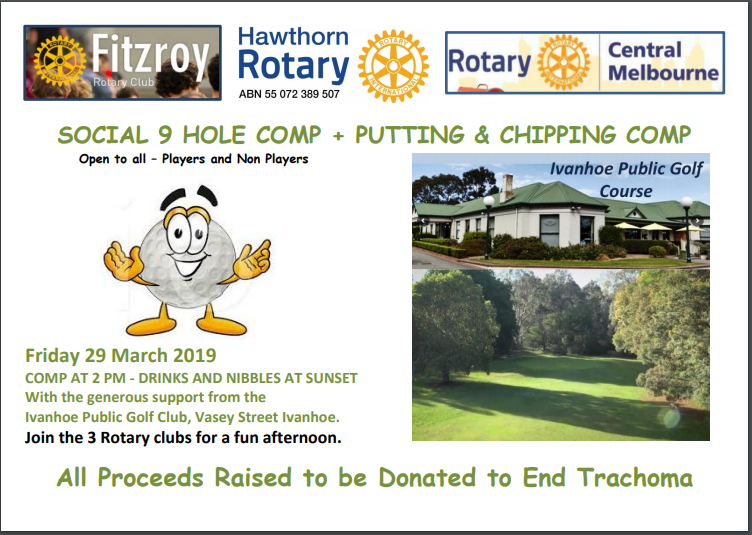
Truth or Tale Bruce Heron entertained us with his tall tale about his father claiming a hole in one off a ball that Bruce hit and bumped his into the pin. This was a total fabrication. Announcements Neville John informed us that the board has approved membership applications from Martin Langton and Mawien Ariik and they will be inducted in the next couple of weeks. Neville also shared details of a project led by Sean Car, chairman of Educator in Africa, an NGO that he started up about seven years ago. He built a medical facility which now needs to be equipped. An order has been put into DIK and a container full of equipment should be ready for shipment about the middle of the year. One container has been purchased and painted up for promotion purposes and will be left down in the Docklands to promote the project in Malawi and Rotary in the Docklands. Herb Greenwood once again promoted Opera on the Yarra and pleaded for members to increase bookings for the night and to assure everybody that there will be plenty of good food and the whole night will be value for money. Proceeds will go toward the Silk-Miller Scholarship. Tom Callander shared that our Silk-Miller Scholarship recipient for this year will address the club at our next meeting. Tom also reminded us most importantly that we should keep our working with children check's up-to-date and has requested that we supply him the current information for club records. Peter Duras promoted the support of the toy library from Cheryl Forrester at Shine for Kids. Peter also shared that we had a quiet sausage sizzle at Port Melbourne and thanks to those who came along and assisted. We made about $600 and this all helps towards the clubs funds. We have had a terrific response to the remaining four sausage sizzles in Collingwood and Port Melbourne. Mary Voice is promoting the golf afternoon last Friday in March.
President's Announcements Design X was held on St Valentine's Day and the workshop was successful. The aim was to work on establishing business partnerships between Rotary and businesses, was facilitated by the Commonwealth Bank. There were seven other organisations there, good Shepherd, Travelers Aid, Hawthorn Rotary, among others.
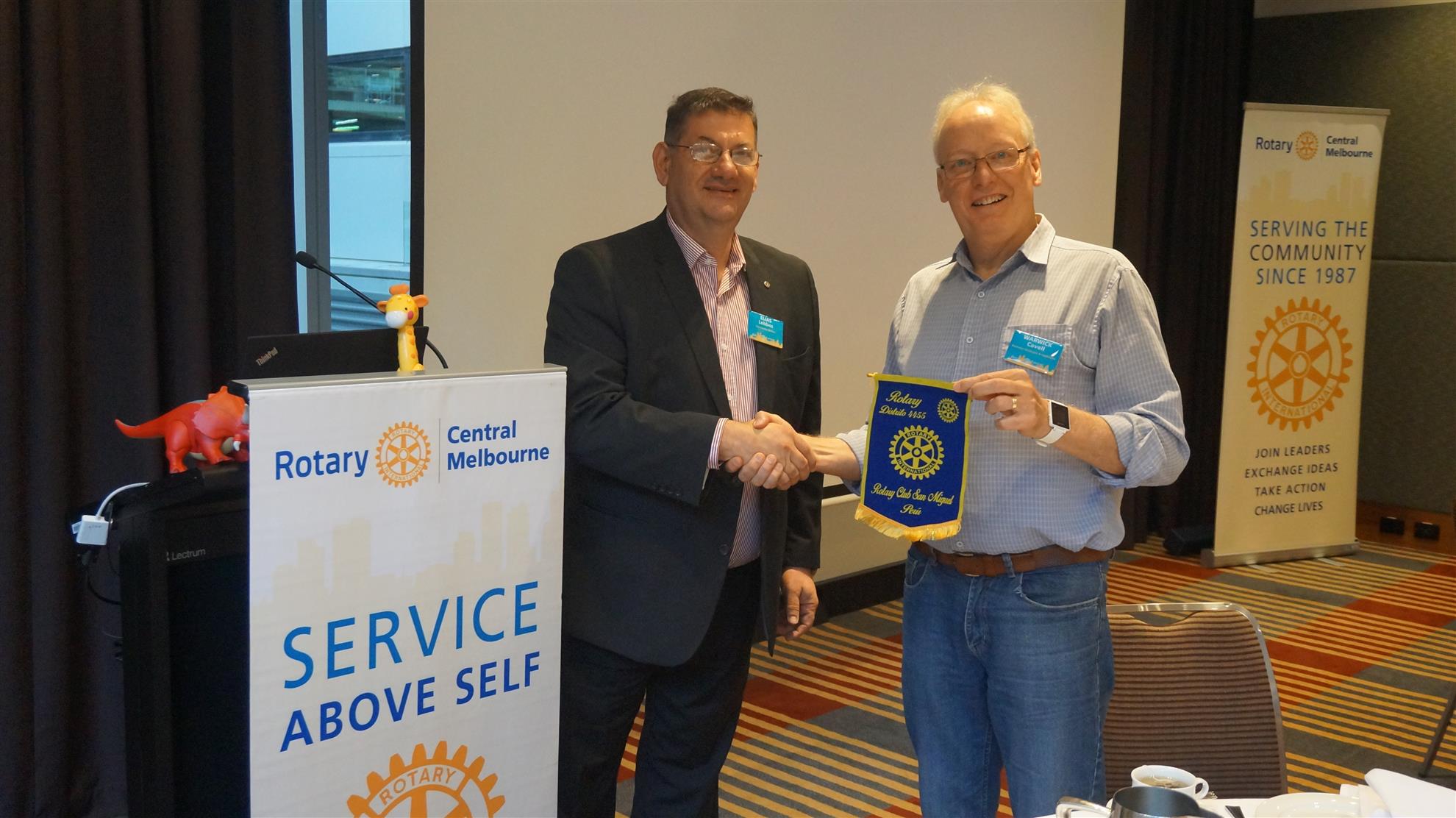
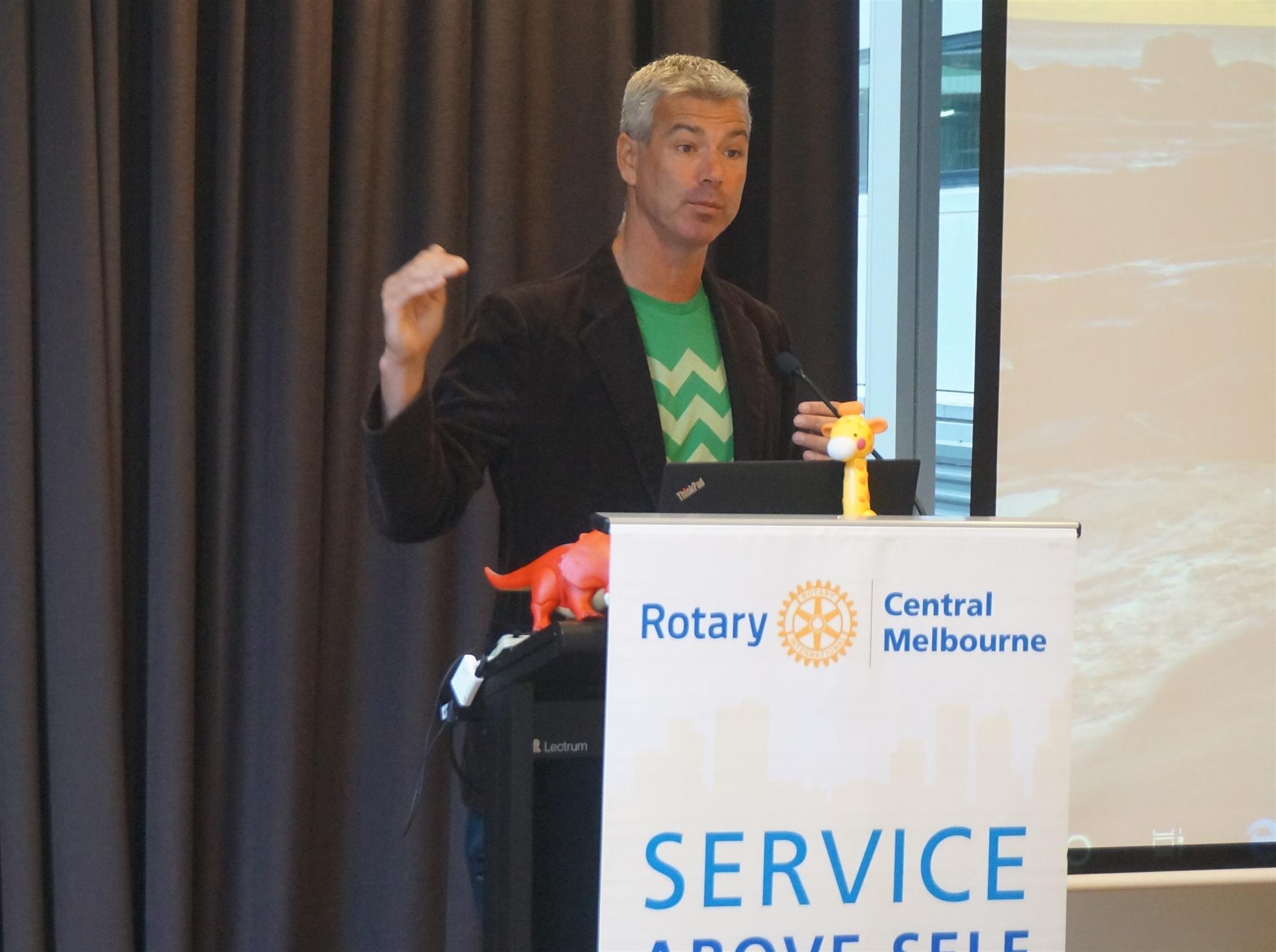
Elias Lebbos presented a banner from the Rotary Club of San Miguel in Peru, given to him by the daughter of the current president Regina Robernell. Guest speaker - Russell Shields , The Community Grocer Russell is the Founder and Chair of The Community Grocer, a social enterprise initiative that aims to improve access for people living in public housing to fresh affordable food via a weekly fruit and vegetable market. |
A lot of these housing estates are seen as being like a hospital to the local community. At the Carlton high-rise estate, he knows of a family who after their total expenditure for the week in utilities and rent only have $30 left over to feed their family. People in this situation rely on emergency food relief from organisations such as the Salvation Army food bank and St Mary's house of welcome. The Churchill fellowship enabled him to travel the world looking at hunger in major cities such as New York. In Melbourne this is a real thing as well where people are struggling to put three meals on the table to feed their families every day. There are massive limitations on the services that provide food in this situation. A lot of this provision relies on philanthropy. There are thousands of volunteers supported by infrastructure to keep this going. The system is not built so that charity can see people and it’s known how society is organized. Part of his challenge is to deliver fresh fruit and vegetables to people every day. The sector that provides the service is full of people with good intention but cannot meet the demand. So Russell looks for a better solution a better model to provide the service, so he has gone back to the oldest model of all, the market. Russell created the community markets based on the values of equity, choice and inclusion. Each is these markets is provided with 70 lines of fruit and vegetables every week. The estates are supplied with food appropriate to the demographics living in the area. So Vietnamese and horn of Africa communities are provided with appropriate fruit and vegetables. They also have an open box and people can put suggestions in as to let sort of food they would like to buy. It's about being considered culturally sensitive and being able to supply the right goods. Each market has a market manager employed for about three hours each day supported by a team of volunteers. They supply about 500 people each week for about 30 to 35 nationalities. These markets are located on Carlton, Flemington and Fitzroy. There is another one at Faulkner. This one is located outside the community health center which means that people can easily find the market. Another new one just been established in Pakenham. Cultural hierarchy is acknowledged in these communities and is reflected in the way people treat the market and purchased the goods. They have a registered nonprofit constitution. They are a social enterprise and buy from a single wholesaler. As they grow and scale they will buy directly from farmers. After purchase they do a community minded markup about 30%. This means they are there to give equity in purchasing and selling by cutting out the middleman as much as possible. At the moment they are covering the costs of the manager each day from sales. Their turn over is about $450-$500,000 87% of their customers have increased fruit and vegetable intake through the virtue of these markets. They are a business so they do an impact study on the nature of their work The other impact of the market is the community connection. Therefore they run the markets in often neglected open land around the market and thereby activate the space for social connection. This gives their customers a sense of community. Over 70% of attendees meet new people for the first time. So they are connecting and chatting about food and meeting people from across the age spectrum on the estate. You get this wonderful cross cultural communication simply by putting a market in the space. They know that their markets are having an effect on the estates. The plan is ultimately to be a self sustainable business without relying on the hundreds of thousands of dollars that I spent through the traditional welfare model. If they can scale the way they are heading and get themselves organised there about 2 to 3 years away from breaking even. In the meantime they are relying on charity, the Lord Mayors charitable foundation. In the next couple of years they are rolling out a model of delivery called pedal powered produce. They are trying to make sure that the quality of the produce is the same right across the period that the market is operating each day. What they started doing this making up boxes at the end of the day and at about 11 o'clock they would start packing boxes and a sell boxes for $50 also and to the general public. They do not discount the produce which means that people will buy early and not just hang around and wait for a special at the end of the day. This way by selling to other people they can get rid of the produce at the end of the day. Fruit and vegetable box fans are inherently very hard to run. There are not many. Ceres is into it, Aussie Farmers did not do it very well, this is a hard market there are lots of logistics and timing involved to produce good quality produce to the customer. Within about a 2 km radius of the market they only need about 20 customers to take the leftover fruit and veggie and the profit is going up. The pedal powered project started in Carlton and has been difficult to set up but it has now operating successfully. They are about to purchase five electric bikes to help service an additional 2,500 families each year. Monash University is assisting in finding out the impact they having on their customers and they are hoping to increase the activation of public open space and enable people to access good quality and cheap fruit and vegetables. |


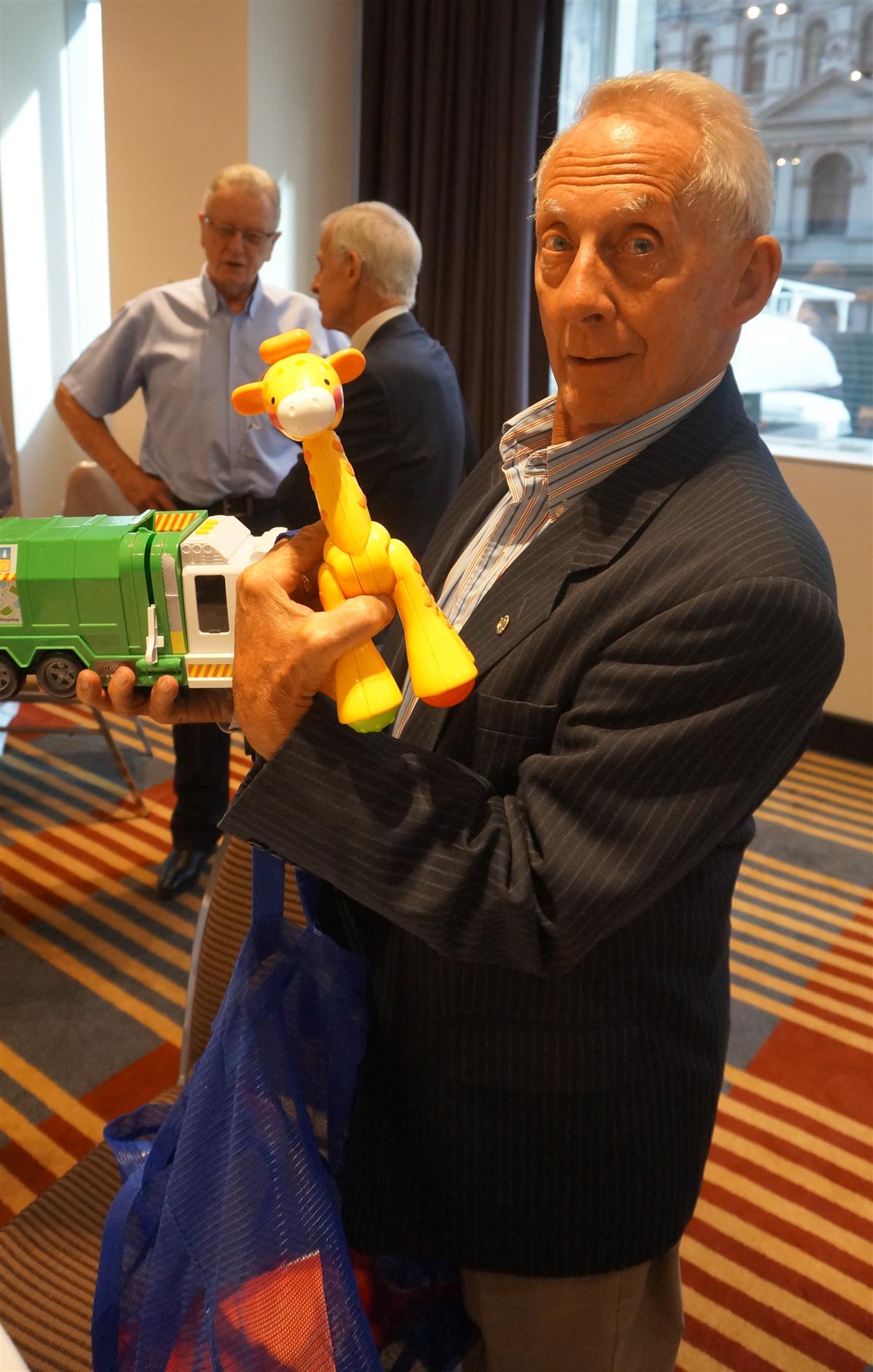 Sheryl Forrester from Shine for Kids have contacted me with an urgent appeal for toys and other items to
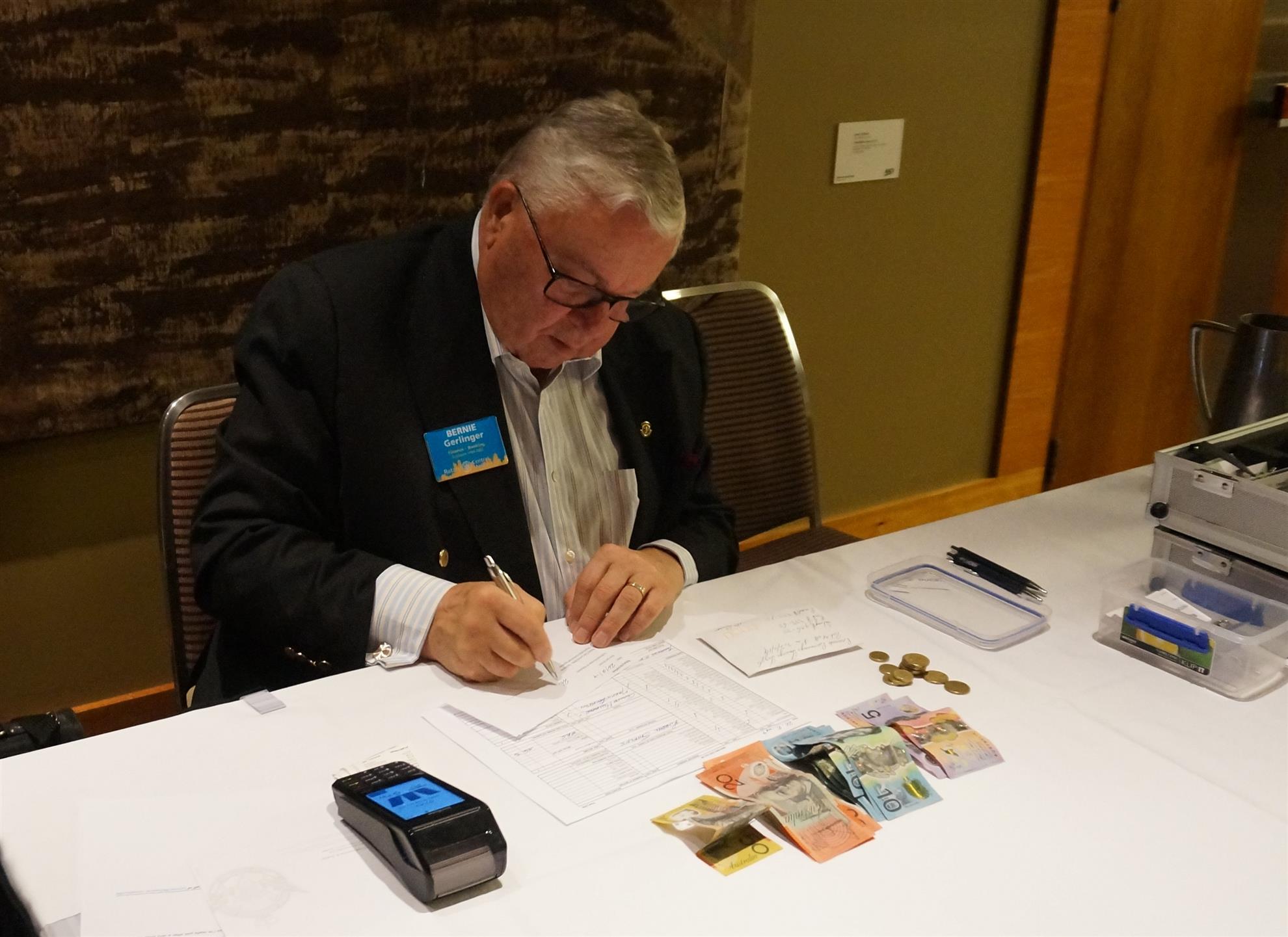 Treasurer Bernie Gerlinger