
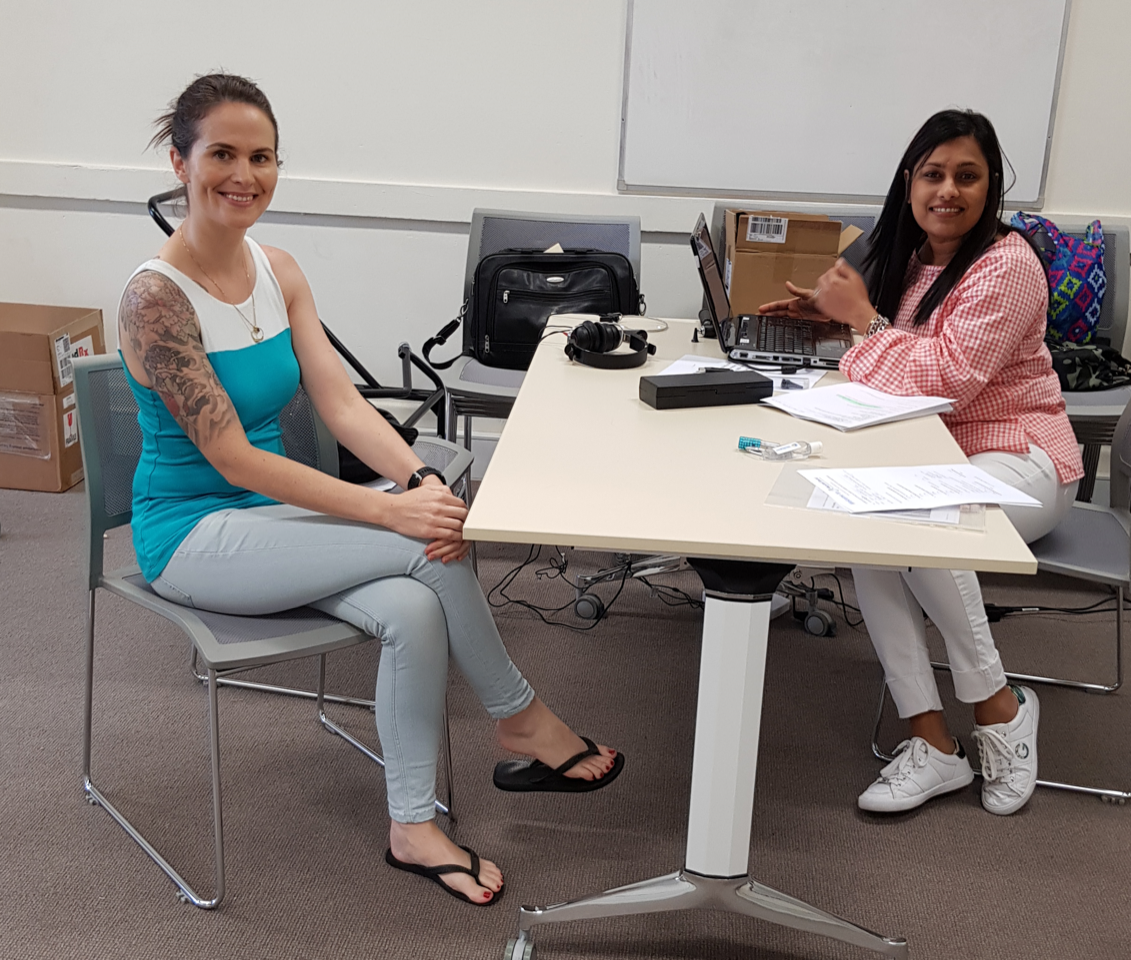
Plenty of Rotary clubs recycle spectacles for needy people. But the 20-member Toorak RC in Melbourne runs a more ambitious “Recycled Sound” program – recycling and fitting used hearing aids.
President Gail Wallman says people aged 25-65 get little or no Government funding towards hearing aids. Many immigrants, refugee claimants, victims of domestic violence and the financially disadvantaged have no hope of paying thousands for hearing aids.
Poor hearing keeps them out of the workforce and into lives of welfare isolation and unhappiness.
But countless people have just thrown their costly hearing aids into a drawer, because they no longer suit or they’ve ‘traded up’.
Recycled, these aids give independence and community participation to others in need.
Toorak club for several years has run Recycled Sound as a collection-only project for hearing aids, re-directing them to a third-party audiology organization. But it now provides the entire service.
The program involves:
Collecting unwanted aids from clubs, audiology clinics and the public
Cleaning, testing and re-programming the aids, using equipment bought by Recycled Sound with a grant from the Deafness Foundation
Alerting organisations to refer-in financially disadvantaged clients with diminished hearing
Using volunteer audiologists to test, match and fit aids to clients
Providing follow up support to clients after they have been fitted.
Gail says, “Our clients accept that they are not getting state of the art aids but a big improvement anyway.”
An audiology clinic with Rotary connections provides two audiology volunteers one day a month.
Success stories include:
Michael 35, was initially on disability-support but now has a job as a rural security guard. He could have lost the job except for his recycled aids.
Mother of three Amanda has hearing loss. Using her improved aids, she can now help her hearing-impaired daughter learn to speak.
The first client day in January at the Prahran RSL saw two clients tested and matched with aids. These clients will return in a month to be fitted with their new reprogrammed aids, and new clients will be tested. Gail says the program can easily be scaled up once clubs start collecting aids for Toorak, and people realize the service exists. The model can be replicated anywhere in Australia, she says.
See www.recycledsound.org.au